

 See My Latest Article on HelloNation
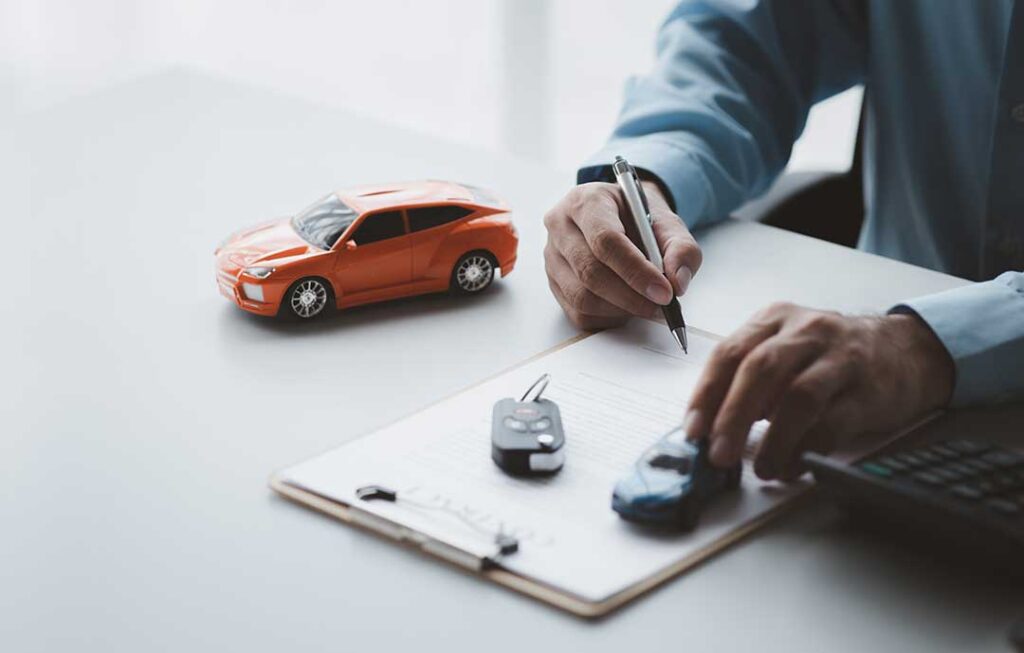
Choosing between leasing and buying affects more than the monthly payment. The decision also changes how long the vehicle stays in the household, how much flexibility the driver has, and who carries the risk of depreciation and long-term repairs.
For residents of Romeo, MI, the right option may depend on annual mileage, winter driving conditions, available savings, household size, and whether the vehicle is expected to serve as a short-term convenience or a long-term asset.
Is leasing or buying better for most drivers?
Neither choice is universally better. Leasing can work well for drivers who prefer a newer vehicle every few years and drive a predictable number of miles. Buying is often more practical for households that want to keep a vehicle for many years, drive extensively, or build ownership value over time.
The key difference is simple:
- Leasing generally provides the right to use a vehicle for a set term.
- Buying creates ownership after the loan is paid off.
- Leasing payments often reflect the vehicle’s expected depreciation during the lease term.
- Buying payments help pay down the vehicle’s purchase price and may eventually end altogether.
A lower lease payment does not necessarily mean a lower total cost. It may reflect a shorter period of responsibility rather than a better long-term value.
What are the main advantages of leasing?
Leasing offers predictability and access to a newer vehicle, but it also places limits on use.
Common benefits include:
- Lower initial cash requirements: Some leases require less money upfront than a purchase, although taxes, fees, deposits, and other charges may still apply.
- Potentially lower monthly payments: Because the driver is usually paying for the vehicle’s expected depreciation during the lease term rather than the entire purchase price, payments may be lower.
- Newer safety and convenience features: A lease may provide access to updated driver-assistance systems, connectivity features, and fuel-saving technology.
- Warranty coverage during much of the term: Routine maintenance and repairs may be more predictable while the vehicle remains under warranty, though the exact coverage depends on the contract.
- Simpler vehicle changes: At the end of the lease, the driver can typically return the vehicle, purchase it under the buyout terms, or enter another agreement.
For someone who wants a newer vehicle and does not want to keep it beyond the early years, leasing may offer convenience. It can also suit drivers whose annual mileage is stable and whose vehicle use is relatively gentle.
What are the disadvantages of leasing?
The biggest leasing concerns are mileage limits, condition charges, and the lack of ownership at the end of the contract.
A lease may include:
- Annual mileage limits, often selected at the beginning of the agreement
- Charges for mileage above the contracted limit
- Fees for damage considered beyond normal wear
- Restrictions on modifications or permanent changes
- Early termination costs that can be substantial
- A required disposition, turn-in, or similar end-of-term fee
- No ownership equity unless the vehicle is purchased at the end
Winter driving can make condition standards especially relevant. Road salt, gravel, potholes, snow brush marks, wheel damage, and interior wear from muddy footwear may affect how a vehicle is evaluated when it is returned. Normal wear is generally allowed, but the contract determines what qualifies as excessive.
Leasing may also become less convenient for households whose driving patterns change. A longer commute, a new job, frequent road trips, or additional family responsibilities can make a mileage limit harder to manage.
What are the main advantages of buying?
Buying provides more control and may become less expensive over a long ownership period.
Important benefits include:
- No contractual mileage limit: Owners can drive as much as needed without lease-end mileage charges.
- Freedom to customize: After purchase, the owner generally has greater control over accessories, equipment, and modifications, subject to financing and legal requirements.
- Equity development: Each loan payment may reduce the balance owed and increase ownership value.
- No required return date: The vehicle can be kept, sold, traded, or given to another household member.
- Lower long-term cost potential: Once the loan is paid off, the owner may drive the vehicle without a monthly payment.
- Greater flexibility for high-use vehicles: Buying is often better suited to long commutes, frequent travel, work use, or changing household needs.
Ownership may be particularly useful for a household that plans to keep a vehicle through multiple stages of its life. The vehicle may eventually have more miles and require repairs, but the owner is no longer making a payment on the original purchase price after the loan ends.
What are the disadvantages of buying?
Buying usually requires accepting more responsibility for depreciation, maintenance, repairs, and resale value.
The main drawbacks include:
- A potentially higher monthly payment
- More money tied up in the vehicle
- Depreciation risk, especially during the first several years
- Repair costs after warranty coverage ends
- The possibility of owing more than the vehicle is worth early in the loan
- Responsibility for selling or trading the vehicle later
A purchased vehicle does not become inexpensive simply because the loan is paid off. Tires, brakes, fluids, batteries, suspension parts, heating and cooling systems, and rust-related concerns may become more relevant as the vehicle ages. In a climate with freezing temperatures, snow, and road treatment, maintenance planning matters.
Buying also requires attention to loan length. A longer loan may reduce the monthly payment but can increase total interest and extend the period during which the loan balance exceeds the vehicle’s market value.
How should mileage affect the decision?
Mileage is one of the clearest factors separating leasing from buying. Drivers who regularly exceed a lease agreement’s mileage allowance should examine the cost before signing.
Consider:
- Daily commuting distance
- School, work, and family transportation
- Weekend travel
- Seasonal trips
- Unexpected changes in employment or residence
- Use by other household drivers
A driver with low and predictable mileage may find a lease easier to manage. Someone who drives long distances or cannot estimate future use may have fewer restrictions by buying.
It is also worth comparing the cost of selecting additional lease mileage at the beginning with the cost of paying excess-mileage charges later. The contract should be reviewed carefully rather than relying only on the advertised monthly payment.
Which option is better for families and changing households?
Buying often provides more flexibility for families whose transportation needs may change. A growing household may need additional cargo space, child-seat capacity, or a different seating arrangement before the original loan is paid off.
Leasing can still work for families, but interior condition and mileage must be monitored. Food spills, pet damage, stained upholstery, and heavy cargo use may create return charges if the condition falls outside the agreement’s standards.
For a household with a stable routine and a strong preference for newer vehicles, leasing may be manageable. For a household expecting frequent changes, ownership generally provides more control.
What costs should be compared before deciding?
Compare the full financial picture, not just the monthly payment.
For leasing, review:
- Amount due at signing
- Monthly payment and taxes
- Mileage allowance
- Excess-mileage rate
- Wear-and-use standards
- End-of-term fees
- Purchase option price
- Early termination terms
For buying, review:
- Down payment
- Loan interest rate
- Total interest over the loan
- Insurance costs
- Expected maintenance and repairs
- Estimated resale value
- Length of ownership
- Whether the vehicle may be kept after the loan is paid
A useful comparison is to estimate the total cost over the same number of years. For example, compare the cost of one purchase kept for six or seven years with the combined cost of two consecutive leases. This may reveal that the lower monthly payment is not the lower overall expense.
What is the practical rule of thumb?
Leasing may make sense for a driver who wants a newer vehicle, drives a predictable number of miles, prefers warranty-era ownership, and is comfortable returning or purchasing the vehicle later.
Buying may make sense for a driver who expects to keep the vehicle for many years, drives extensively, wants customization freedom, or values eliminating monthly payments after the loan ends.
Before choosing, review the contract or loan terms line by line, estimate realistic mileage, account for winter wear, and compare total costs over the expected ownership period. The best choice is the one that fits actual driving habits and future plans—not simply the option with the smallest advertised payment.