

 See My Latest Article on HelloNation
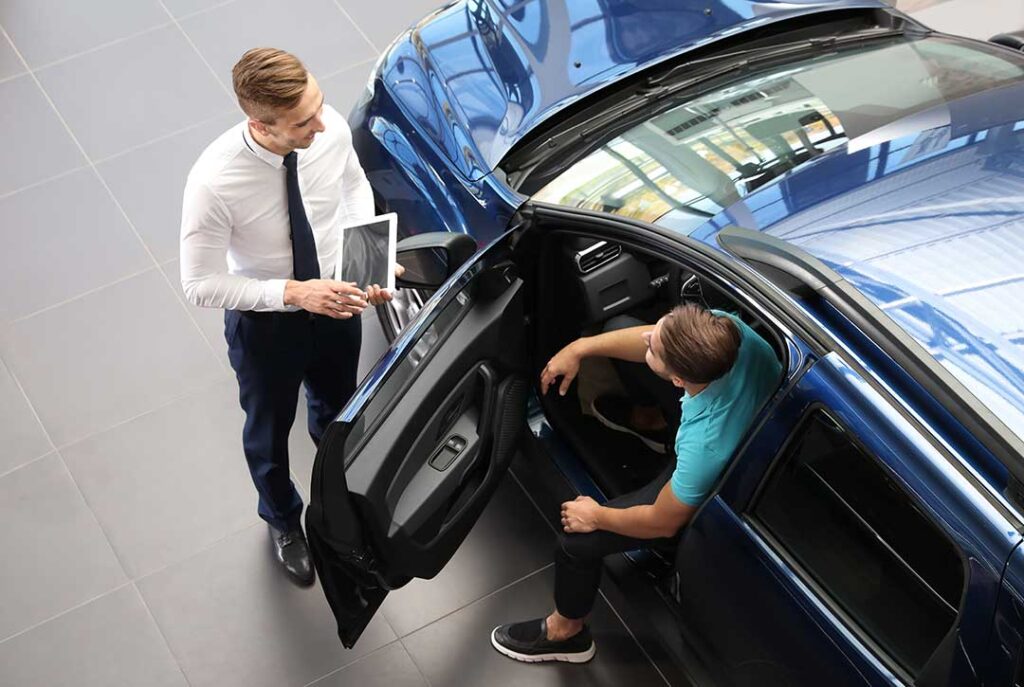
Families in Romeo, MI often need a vehicle that can handle school routines, work commutes, errands, winter weather, and occasional longer trips. The right choice depends less on size or appearance than on how well the vehicle fits the household’s daily passengers, cargo, budget, parking situation, and safety needs.
What should a family consider before choosing a vehicle?
Start by describing how the vehicle will actually be used. A family that mainly drives short local trips may need different features than one that regularly travels with sports equipment, strollers, pets, or several passengers.
Consider these questions:
- How many people need to ride regularly?
- Are child safety seats still in use?
- Is a third row required, or would occasional extra seating be enough?
- How much cargo space is needed behind the second row?
- Will the vehicle be parked in a garage, driveway, or on the street?
- Does the household frequently drive on snow-covered or icy roads?
- How many miles are driven each year?
- Is towing necessary, or would it add cost without providing real value?
Writing down the answers can prevent a common mistake: choosing a vehicle based on a single weekend activity instead of the way the family uses transportation most of the time.
Is an SUV, minivan, sedan, or pickup the best family choice?
There is no single body style that works for every household. Each option solves a different set of problems.
A minivan is often practical for families who need easy access, multiple seating positions, and flexible cargo space. Sliding doors can be useful in narrow parking spaces and reduce the risk of doors striking nearby vehicles. The lower step-in height may also help younger children and older passengers.
A three-row SUV can provide extra seating and a higher driving position. It may suit households that want occasional third-row capacity, more ground clearance, or room for outdoor equipment. However, the third row can reduce cargo room, and not every third-row seat is equally comfortable for adults.
A two-row SUV offers a middle ground. It usually provides more cargo height than a sedan while remaining easier to maneuver and park than a larger vehicle. This can be a good fit for families with one or two children who do not need permanent third-row seating.
A sedan may be sufficient for smaller households. Sedans often have a lower step-in height, a separate trunk, and predictable handling. A sedan can work well if the family does not regularly carry bulky items, but trunk access and rear-seat room should be tested with child seats installed.
A pickup makes sense when hauling materials, towing, or transporting equipment is a routine need. For family use, check whether the rear seat provides enough legroom and whether child seats can be installed securely without forcing the front seats into uncomfortable positions.
How many seats does a family really need?
Choose seating based on regular use rather than rare situations. A family may technically be able to fit in a five-seat vehicle, but frequent use of a carpool, visiting relatives, or transporting friends can make a third row valuable.
The number of seats is only part of the issue. Inspect:
- Rear-seat legroom with the front seats adjusted for adults
- Width for two or three child safety seats
- Access to the third row
- Headroom for older children and adults
- Visibility through the rear windows
- Availability of air vents and charging outlets
- Cargo space when all seating positions are occupied
A third row that is difficult to reach or leaves no room for groceries may not provide much practical benefit. Likewise, a wide second row may be more useful than a small third row if most trips involve two adults and two children.
What safety features matter most?
Safety features should be evaluated by function, not by the number of items listed in a brochure. Families should look for equipment that supports normal driving and reduces the effect of common mistakes.
Useful features may include:
- Automatic emergency braking
- Forward collision warnings
- Blind-spot monitoring
- Rear cross-traffic alerts
- Lane-departure warnings or lane-keeping assistance
- A rearview camera with a clear display
- Adaptive cruise control for longer highway trips
- Strong headlight performance
- Secure, accessible lower anchors for child safety seats
Driver-assistance systems are not substitutes for attentive driving. They can also differ in how they respond to weather, road markings, bicycles, parked vehicles, or sudden traffic changes. Test the controls and learn how alerts feel before relying on them.
A vehicle should also receive a practical child-seat test. Install the actual seats used by the household, check whether the front seats remain comfortable, and make sure buckles and access points are not blocked.
How should winter conditions affect the decision?

Romeo experiences cold weather, snow, ice, and changing road conditions, so winter usability deserves attention. All-wheel drive can help a vehicle accelerate on slippery surfaces, but it does not automatically shorten stopping distance or eliminate the need for suitable tires.
Ground clearance, tire condition, windshield visibility, and traction control all influence winter confidence. Important details include:
- Whether the tires are appropriate for the season
- How easily snow can be cleared from mirrors, lights, and cameras
- Whether the vehicle has heated mirrors or a heated steering wheel
- How quickly the cabin and windshield defrost
- Whether the cargo area remains usable when covered with winter gear
- How easily children can enter without stepping into deep snow or slush
A vehicle with front-wheel drive and good tires may be more capable in winter than a vehicle with all-wheel drive and worn or poorly suited tires. Tire quality and condition should be treated as part of the vehicle decision, not as an afterthought.
How much should a family budget for ownership?
The purchase price is only one part of the cost. A family budget should include fuel or charging, insurance, registration, maintenance, tires, repairs, and possible financing costs.
Estimate expenses over several years rather than focusing only on a monthly payment. A lower payment may result from a longer loan term, which can increase total interest and leave less flexibility if household needs change.
Fuel economy matters most when annual mileage is high. For a household that drives modest distances, a more efficient vehicle may not justify a large price difference. For a long daily commute, fuel consumption can have a much larger effect on the total budget.
Also consider routine costs such as tire replacement. Larger wheels may look appealing but can bring higher tire prices and a firmer ride. A simpler configuration may be easier to maintain and less expensive over time.
What should families test before making a decision?
A proper test drive should imitate real family use. Bring the child seats, booster seats, stroller, sports equipment, or other items normally carried.
Check whether:
- Everyone can enter and exit comfortably
- The driver has a clear view of surrounding traffic
- The second row folds or slides as needed
- The cargo area holds everyday equipment without blocking visibility
- Controls are easy to reach while parked
- The vehicle fits the garage or usual parking space
- Turning, braking, and backing feel manageable
- Road noise allows passengers to communicate comfortably
Do not overlook smaller details. Door openings, cup-holder placement, storage compartments, seat-belt length, liftgate height, and the location of the spare tire can affect daily convenience.
Should a family choose new or used?
Both new and used vehicles can be sensible choices. New vehicles may offer current safety technology, predictable maintenance history, and warranty coverage. Used vehicles can provide more equipment for the budget, but condition and history become especially important.
For a used vehicle, review maintenance records, recall completion, tire condition, signs of water damage, uneven wear, warning lights, and the operation of safety systems. A vehicle’s age alone does not determine its value; upkeep, mileage, design, and prior use all matter.
The strongest choice is usually the vehicle that meets the family’s real needs without paying for capacity, performance, or features that will rarely be used.