

 See My Latest Article on HelloNation
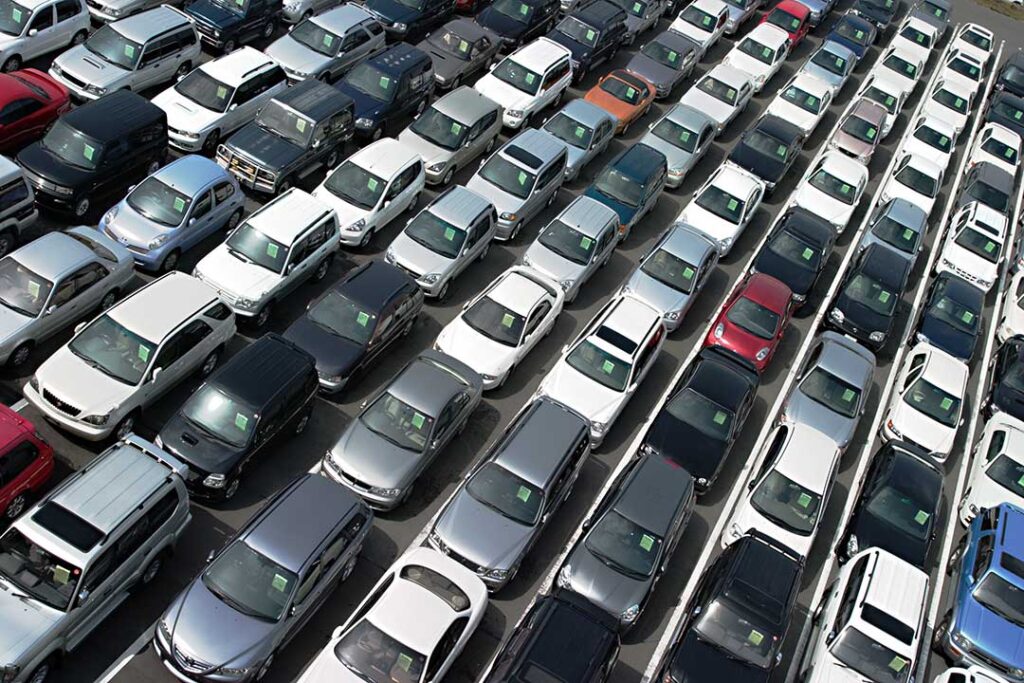
What are the clearest signs that it is time to trade in a car?
The strongest signs are rising repair costs, repeated breakdowns, changing household needs, and a vehicle that no longer fits your daily driving habits. A car does not need to be unreliable or unsafe before replacing it becomes a reasonable decision.
For residents of Romeo, MI, seasonal conditions can make vehicle problems more noticeable. Winter cold, road salt, potholes, and frequent temperature changes can accelerate wear on batteries, tires, brakes, suspension parts, and body panels. A car that seems manageable in mild weather may become expensive or inconvenient during the colder months.
A trade-in decision usually makes sense when several warning signs appear together rather than because of one isolated repair.
Are repair costs becoming harder to justify?
Frequent or expensive repairs are among the clearest indicators that a vehicle may be nearing the end of its practical ownership period. The question is not simply whether a repair is expensive. It is whether the repair provides enough reliable use to justify the cost.
Keep track of:
- Major repairs completed during the past 12 to 24 months
- Recurring check-engine, transmission, electrical, or cooling-system problems
- Repairs that are needed soon after another repair
- Annual maintenance and repair spending compared with the vehicle’s current value
- Whether the vehicle is spending too much time in a repair facility
A single repair does not automatically mean a car should be traded. Replacing tires, brakes, or a battery is normal maintenance. However, multiple major systems needing attention at the same time may suggest that additional costs are likely.
A useful comparison is to estimate the next year of expected repairs, routine maintenance, insurance, and registration. Compare that total with the cost and reliability of replacing the vehicle. The trade-in value should also be considered, but it should not be the only factor.
How can reliability affect the decision?
A vehicle may still run well but no longer provide dependable transportation. Reliability concerns are especially meaningful for households that depend on a car for work, school, medical appointments, caregiving, or long-distance driving.
Warning signs include:
- Repeated no-start situations
- Overheating or unexplained fluid loss
- Transmission slipping, hesitation, or harsh shifting
- Stalling or reduced power
- Warning lights that return after repairs
- Problems that appear only during cold weather
- A growing fear that the vehicle may fail during an important trip
Intermittent problems can be more difficult to diagnose and budget for than a single known repair. If a car has become unpredictable, the inconvenience and risk may justify replacing it even if its repair history does not yet look extreme.
Has the vehicle stopped fitting the household?
Changing needs are a valid reason to consider a trade-in, even when the car is mechanically sound. Families may need more seating, additional cargo space, easier access, better fuel economy, or improved visibility.
Common examples include:
- A growing household that needs more passenger room
- A new commute that requires better fuel efficiency
- Frequent transport of tools, equipment, sports gear, or pets
- Difficulty getting in and out of a low vehicle
- A need for all-wheel drive or greater ground clearance
- A reduction in driving that makes a smaller vehicle more practical
- Limited parking or storage space at home
Housing patterns and seasonal routines in Romeo can also influence vehicle needs. A household that regularly handles winter travel, rural-area roads, home projects, or long highway trips may eventually need different capabilities than it did when the current car was purchased.
Is the car becoming unsafe or difficult to operate?
Safety concerns deserve priority over trade-in value. A vehicle with serious braking, steering, tire, lighting, visibility, or structural problems may require immediate attention rather than a delayed decision based on resale timing.
Pay attention to:
- Longer stopping distances
- Pulling to one side while braking
- Steering looseness or vibration
- Persistent tire-pressure loss
- Cracked or severely rusted structural areas
- Poor visibility from damaged glass, worn wipers, or weak lights
- Airbag, brake, or stability-control warning lights
- Repeated loss of traction in winter conditions
Surface rust is not always a reason to replace a car. Road salt can create visible corrosion on underbody parts, brake lines, suspension components, and body panels. The condition and location of the rust matter. Structural corrosion or damage to safety-related components is more serious than cosmetic bubbling on a fender.
Are mileage and age alone enough to trade in?
No. Age and mileage help describe a vehicle’s condition, but they do not establish a fixed replacement point. A well-maintained, moderate-mileage car may be a better ownership choice than a newer vehicle with poor maintenance history.
Instead of relying on an arbitrary mileage number, evaluate:
- Service records and maintenance consistency
- Current mechanical condition
- Rust and underbody condition
- Tire and brake life
- Expected repair needs
- Comfort and safety features
- How the vehicle is used each week

Higher mileage can reduce trade-in value, but waiting solely to reach a certain number may not be wise if the vehicle is already losing reliability. Conversely, replacing a dependable car simply because it has passed a milestone may create unnecessary costs.
Should a car be traded before a major repair?
Sometimes, but not automatically. A major repair should be evaluated in relation to the vehicle’s overall condition, not viewed in isolation.
For example, replacing a worn alternator on an otherwise reliable car may be sensible. Replacing a transmission in a vehicle that also has severe rust, failing suspension parts, poor tires, and repeated electrical problems may be harder to justify.
Before making a decision, gather:
- The written repair recommendation
- The estimated repair cost
- A list of repairs likely within the next year
- The vehicle’s current trade-in and private-sale value
- Any remaining loan balance
- The cost of keeping the current car for another 12 months
If money is still owed, compare the loan payoff amount with the vehicle’s likely value. A trade-in does not erase negative equity; any difference may be included in the next loan or paid separately.
When is trading in a car not the best choice?
Keeping the current vehicle may be more practical when it is paid off, dependable, well-maintained, and inexpensive to operate. Replacing it can bring higher monthly payments, insurance costs, registration expenses, taxes, and depreciation.
A trade-in may also be premature when:
- The only issue is routine maintenance
- The vehicle has no recurring reliability problems
- The household’s driving needs have not changed
- A repair is affordable and expected to restore dependable use
- The replacement decision is based mainly on appearance or newer features
A careful decision separates a genuine transportation problem from normal ownership costs.
How can Romeo residents prepare for a sound decision?
Start by reviewing service records, repair receipts, tire condition, warning lights, and the vehicle’s current loan balance. Pay particular attention to issues that may become more apparent during freezing temperatures, snow, road salt exposure, and pothole season.
A simple written comparison can help:
- Keep the current car for another year: expected repairs, maintenance, fuel, insurance, and inconvenience
- Replace the car: down payment, loan payment, insurance changes, registration, taxes, and likely maintenance
- Keep a reserve for unexpected expenses under either option
The goal is not to trade in a vehicle at the first sign of age. The goal is to recognize when reliability, safety, cost, or household needs have changed enough that continued ownership no longer makes practical sense.